
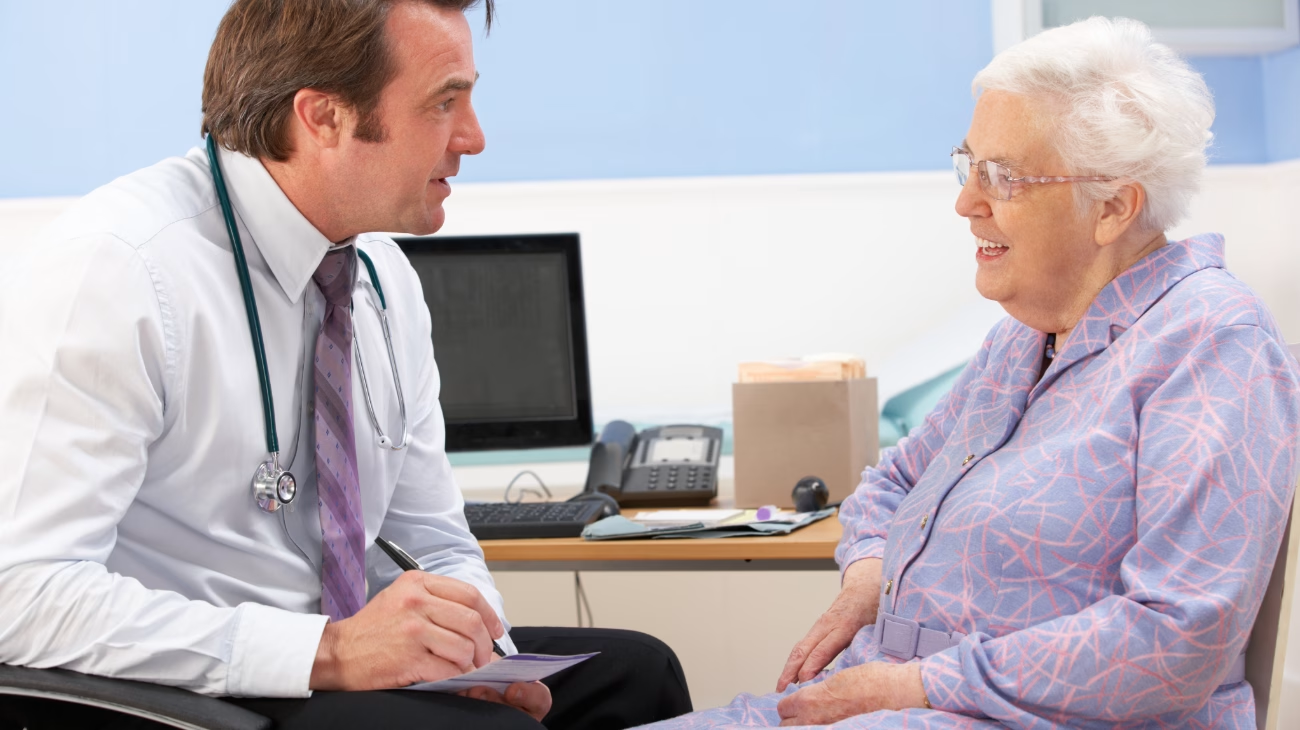
Greater Manchester’s world first falls prevention pilot has shown that identifying older people at risk of falling and offering them early support can help improve their participation in strength and balance classes, confidence and independence.
What the eFalls pilot is
The eFalls pilot, launched in Wigan in February 2025, used routine NHS data to identify more than 1,100 people aged 65 and over who were at increased risk of falling in the following year.
People identified through the pilot were contacted through their GP practice and invited for a health check, with support offered to help reduce their risk of falling.
Benefits of the eFalls pilot
Almost eight in 10 people offered support chose to take part, with many going on to attend local strength and balance classes through the Falls Management Exercise (FaME) programme.
The evaluation found that the benefits of taking part went beyond helping people improve their balance.
Participants reported feeling stronger when getting up from a chair and walking outside, as well as having greater confidence to go out alone and less worry about falling.
Some people also reported sleeping better, feeling brighter and enjoying being active again. The pilot also found that the way people were approached was important in encouraging them to take up the offer of support.
Being contacted through their GP practice, by a service they already knew and trusted, helped people to see the benefits of taking part. Offering activities locally, in familiar community settings, also helped make the programme accessible and enjoyable.
The findings provide valuable learning about how technology can be used alongside the knowledge of local health professionals to identify people who may benefit from support before they experience a fall.
The results come ahead of Falls Prevention Awareness Week, 21 -25 September. This year’s theme is “From Awareness to Action”, underlining the fact that falls are not a normal part of ageing. Most falls can be prevented, and older adults have the power to reduce their risk of falling. Maintaining physical activity and boosting fitness levels are a key part of reducing the risk of falls.
Dr Nikesh Vallabh, GP and Clinical Director for the SWAN Primary Care Network, said:
“Falls can have a significant impact on an older person’s confidence and independence, so being able to identify people who may be at risk and offer them support before a fall happens is really important.
“What has been particularly encouraging is how many people chose to take up the offer of support and the difference they told us it made to their confidence, strength and everyday lives.
“This pilot has shown us the value of bringing together technology, primary care and community services to support people earlier and help them stay independent for longer.”
Professor Chris Todd, Professor of Primary Care and Community Health at The University of Manchester, said:
“We know that strength and balance exercise reduces the risk of falls, but one of the challenges is making sure we identify and reach the people who could benefit.”
“The eFalls pilot has given us important learning about how we can use routinely collected health data to identify people earlier and connect them with effective support in their communities.”
“The response from participants is particularly encouraging and shows that prevention can have benefits not just for physical health, but for confidence and quality of life too.”
Falls are a common health concern for older people, with around one in three people aged 65 and over experiencing at least one fall each year.
A fall can result in serious injury, hospital admission and a loss of confidence and independence.
The eFalls pilot was the first time the technology had been used outside research settings at the Universities of Leeds and Birmingham. It was delivered by the Greater Manchester Combined Authority, in collaboration with NHS Greater Manchester, SWAN Primary Care Network and academic partners.
The pilot used information already held in GP records, including falls history, frailty scores, medication and long-term conditions, to identify people who may be at increased risk of falling.
The learning from the pilot will now help inform future work to prevent falls and support healthy ageing across Greater Manchester.
You can watch a video bringing the findings to life here and you can read the full report here – Falls Prevention – Greater Manchester Combined Authority.
