
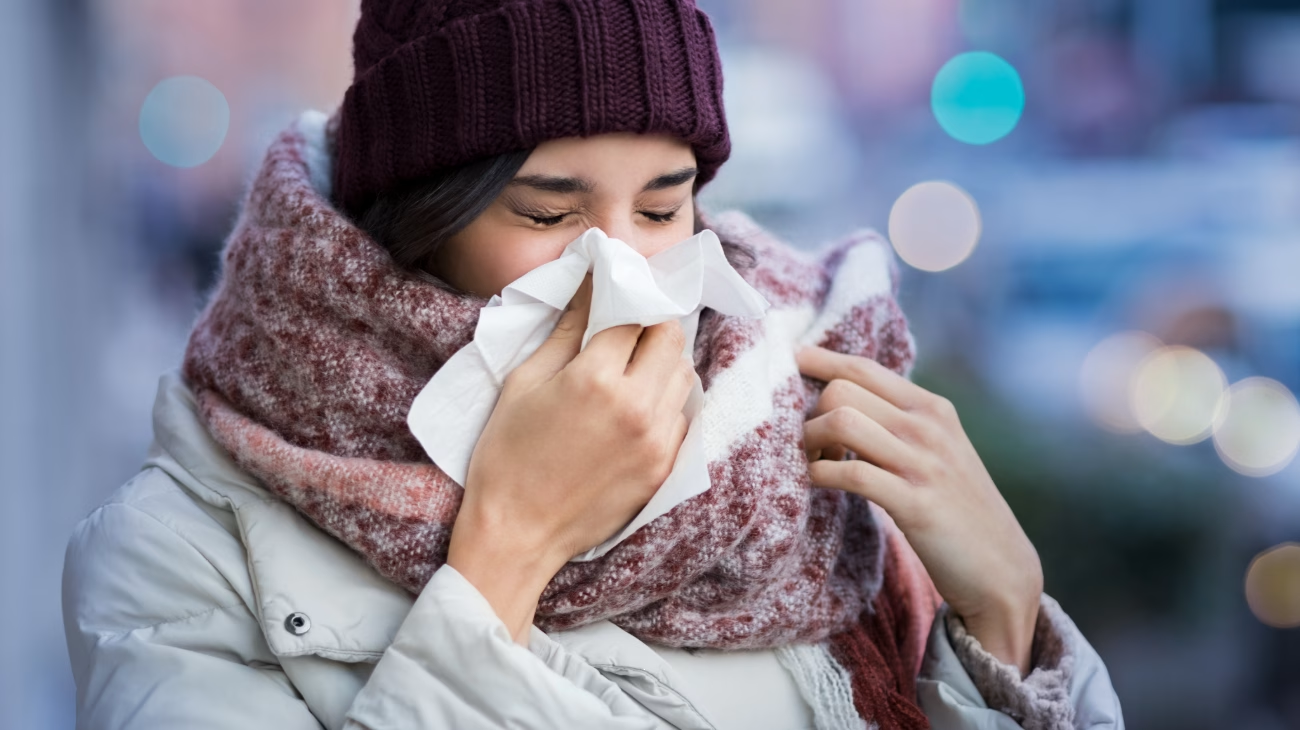
We are asking people across the city region to take simple steps now to protect themselves and their loved ones as winter approaches.
Flu, Covid-19 and respiratory syncytial virus (RSV) can all cause serious illness, particularly in older people, pregnant women, babies and people with certain long term health conditions.
Getting vaccinated if you are eligible is one of the best ways to reduce your risk of becoming seriously unwell and needing hospital treatment.
Winter vaccines
This year’s winter vaccination programme is already under way, with flu vaccinations available for pregnant women, young children and other eligible groups.
From 1st October, flu vaccination will be available to additional eligible adults, including people aged 65 and over and those with certain long term health conditions.
Covid-19 vaccinations will also be available from 1st October for eligible groups, including people aged 75 and over, residents in care homes for older adults and people aged six months to 74 years with a weakened immune system because of a health condition or treatment.
RSV is a common respiratory virus which usually causes mild cold like symptoms, but it can cause serious lung infections, including pneumonia, particularly in babies and older adults. It is most common during autumn and winter and is a major cause of hospital admissions in young babies.
The NHS offers an RSV vaccine throughout the year to those who are eligible.
Pregnant women are offered the RSV vaccine from 28 weeks of pregnancy to help protect their baby during the first months of life, when babies are most at risk of becoming seriously ill.
The RSV vaccine is also offered to people aged 75 and over and residents in care homes for older adults. The programme has recently been expanded to include people aged 65 to 74 with certain long term respiratory conditions or weakened immune systems.
Dr Manisha Kumar, chief clinical officer at NHS Greater Manchester, said:
“Winter can be a challenging time for our NHS, but there are simple things we can all do to help protect ourselves and those around us.
“If you are eligible for a winter vaccination, please take up the offer. Flu, Covid-19 and RSV can all cause serious illness, particularly for people who are more vulnerable, and vaccination is one of the best ways to reduce that risk.
“RSV is perhaps less familiar to people, but it can cause serious illness, particularly in babies and older adults. If you are pregnant or eligible for an RSV vaccination because of your age or health, please make sure you take up the offer.
“Taking these small steps can help keep you and your loved ones well and help reduce pressure on NHS services during the colder months.”
The NHS recommends that people who are eligible for a winter vaccination come forward when they are offered one. Flu and Covid-19 vaccines may be given at the same appointment where appropriate.
RSV vaccination is offered separately and is available throughout the year. Pregnant women should be offered the vaccine from 28 weeks of pregnancy. People aged 75 and over and other eligible adults should contact their GP practice if they have not yet been vaccinated.
Other ways to protect yourself this winter
People can also help protect themselves and others this winter by:
- Washing their hands regularly with soap and water
- Covering their mouth and nose when coughing or sneezing and disposing of tissues
- Letting fresh air into indoor spaces where possible
- Staying at home and avoiding close contact with others if they are unwell
- Seeking advice early if they become unwell, particularly if they are at higher risk of serious illness
People who are unsure whether they are eligible for a vaccination should check the NHS website or speak to their GP practice or pharmacist.
